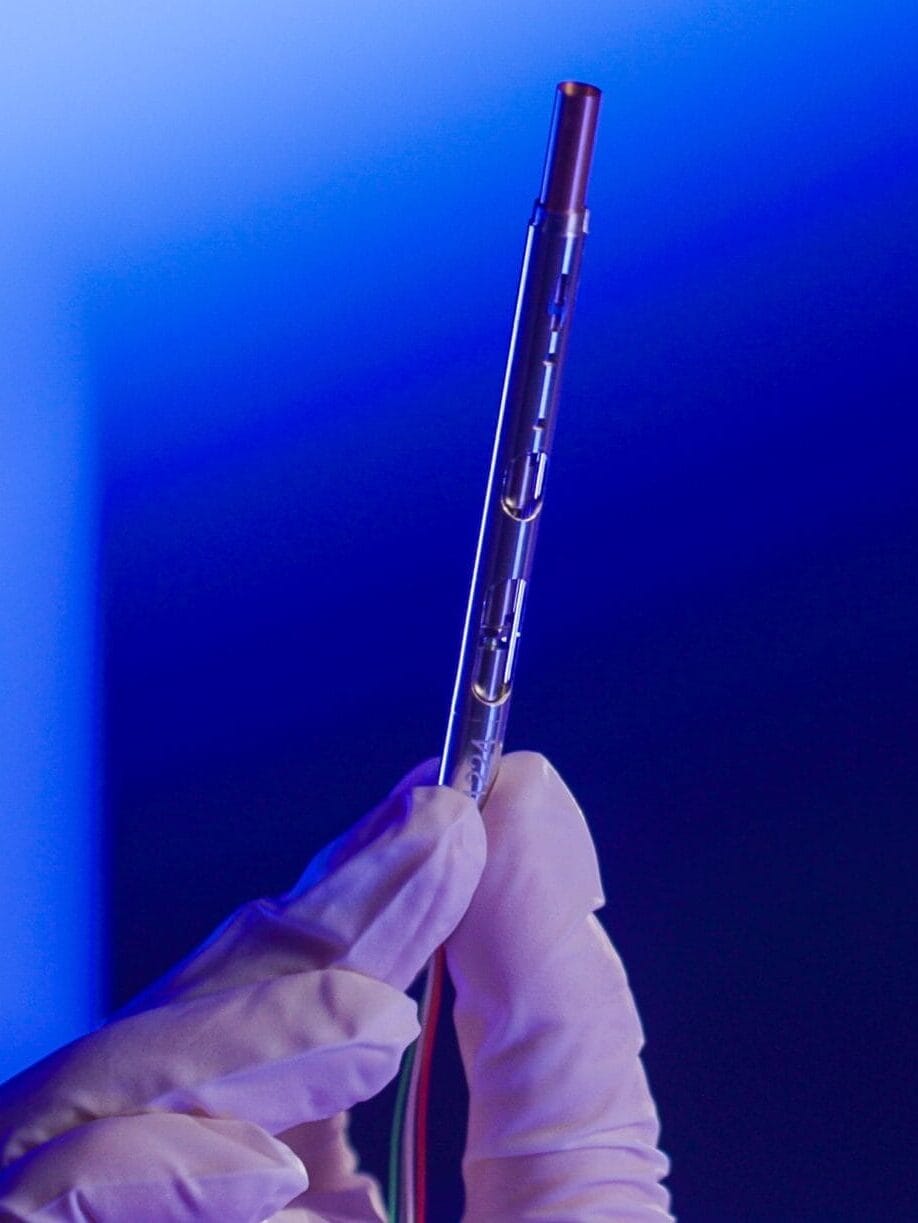
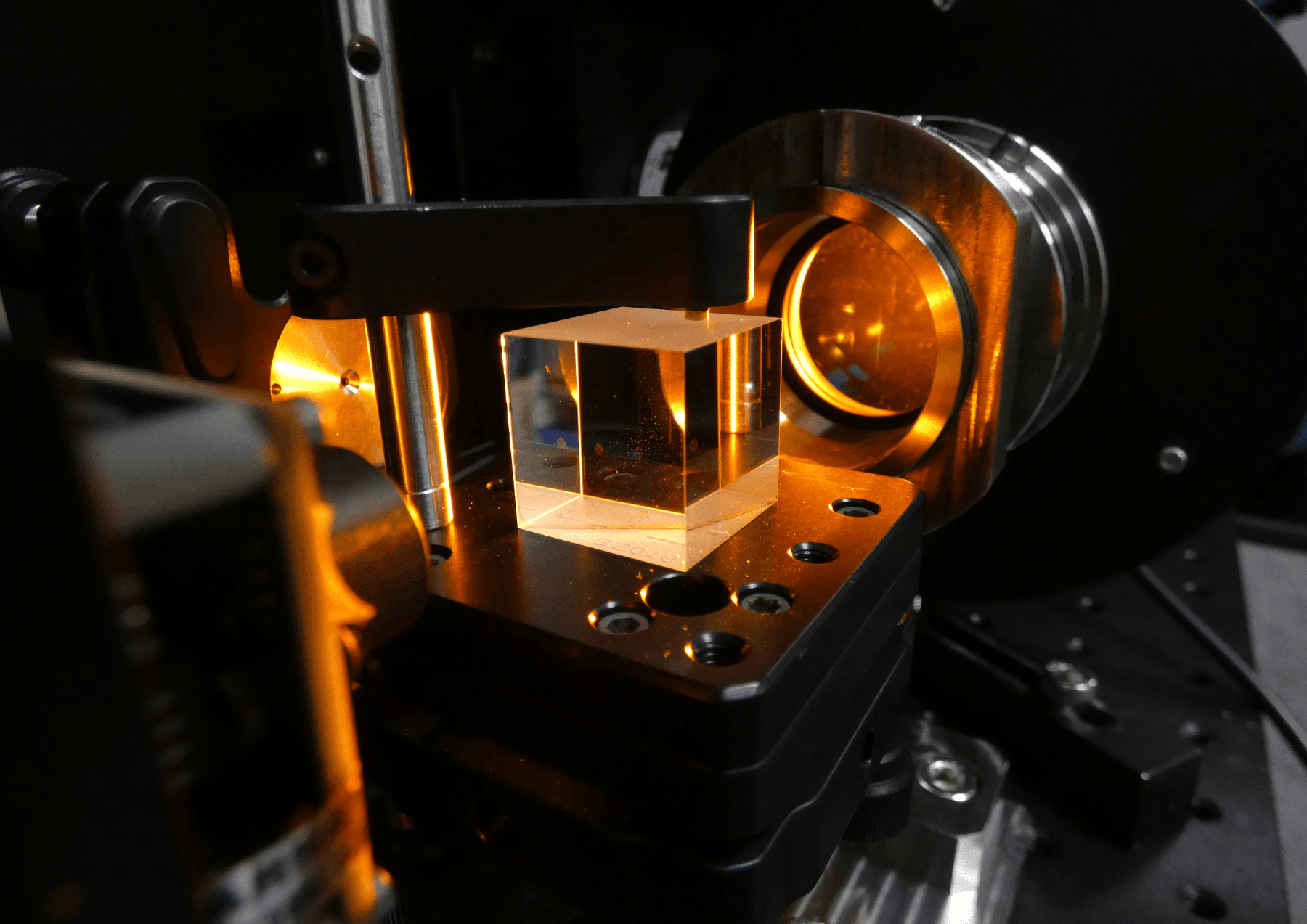
At Arlumen, precision optics means precision mechanics. Our team 's expertise enables us to offer our customers assembly, adjustment and testing services, using precision parts down to millimeter dimensions.
We have dedicated assembly workshops for each precision mechanical assembly project. This saves time by avoiding assembly/disassembly between two production periods. Arlumen also offers optomechanical design services.
What is precision precision engineering ?
Precision engineering refers to the machining and subsequent assembly of parts with very tight tolerances. By definition, this applies to small and very small parts (in the millimeter range), but can also be the case for larger parts.
Originally, this discipline was developed for the watchmaking industry. Today, other sectors require the use of very precise and often small mechanical parts. This requires the mastery of specific skills.
What does mecanical precision ?
The miniaturization of technical products and industrial systems, particularly optical systems, is leading to the integration of smaller parts, and therefore to greater attention to detail.
The objectives of precision engineering are :
- Saves space by reducing the size of the mechanical system
- Save money by minimizing the cost of materials
- A sustainable approach, by limiting the use of materials
What makes it special?
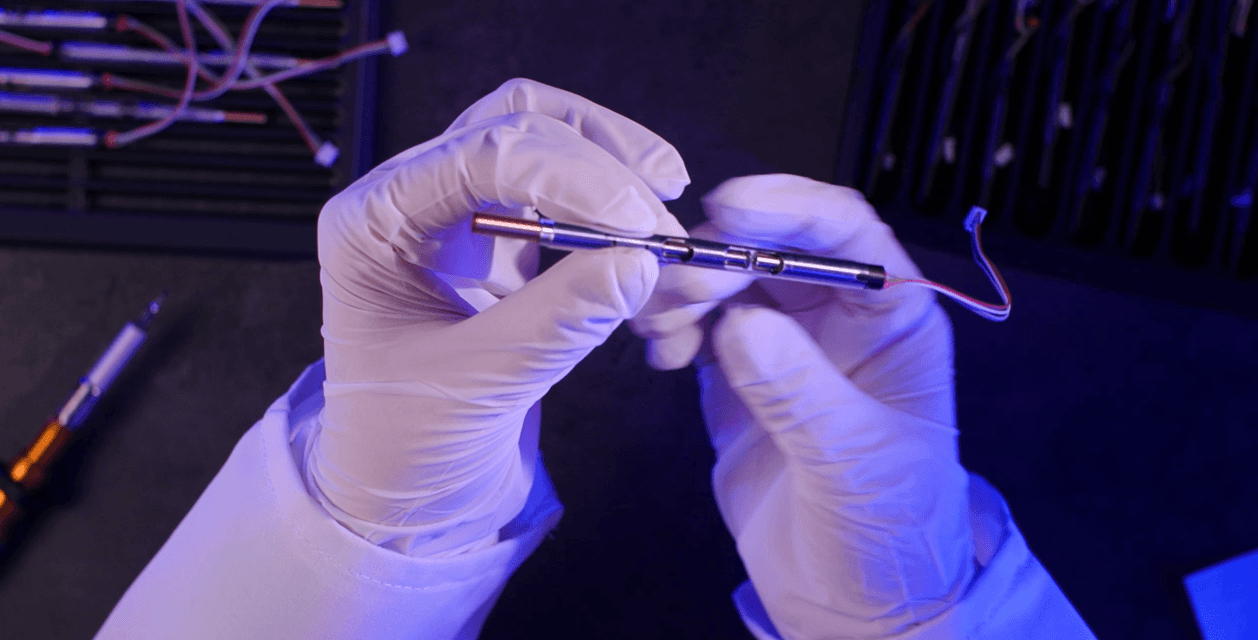
Handling small mechanical parts is a highly specific form of precision work. Its specific features include
- Meticulousness and rigor to ensure precise assembly.
- Highly dependent on the quality of mechanical components: the slightest overshoot of tolerance prevents the system from being installed or operating.
- Wearing gloves is a constraint when handling such small parts, but necessary to ensure that the acidity of the hands does not alter the metals.
- Meticulous cleaning of parts in an ultrasonic bath.
- Visual inspection is sometimes carried out with a binocular (x5 zoom), guaranteeing mastery of gestures for very precise parts and actions.
- The use of specific precision mechanics tools: Brussel pliers, torque screwdrivers, etc.
- Compliance with a harmonized, precise tightening process with a given torque.
- A mastery of protocol to optimize assembly.
CASE STUDY: Adaptive optics and precision mechanics assembly
Sculpt a mirror in real time to control the wavefront of the reflected beam.
By assembling small mechanical parts, we can control the local deformations of this surface to return a beam corrected for initial defects, measured by a wavefront analyzer. This is known as adaptive optics.
Imagine Optic called on Arlumen for its expertise in optical systems and its precision assembly skills. Our team meticulously assembles the actuators [Read more...].